How to descale a Sage coffee machine
Barista Express, Barista Pro, Bambino and Dual Boiler — the right descaler, the right sequence, and why CLEAN ME isn’t what you think.
Last updated: August 2026
What you’ll need
Prices checked 9 Oct 03:00 UTC on Amazon UK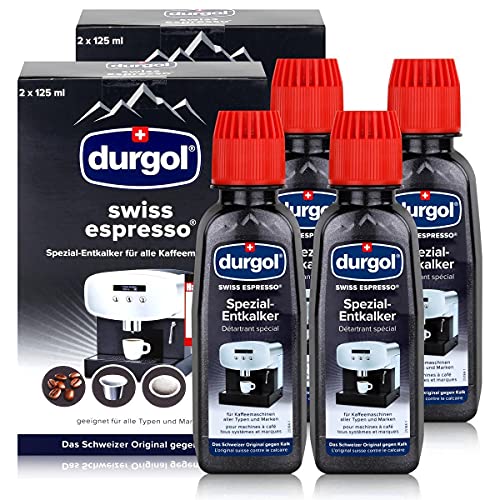
When does a Sage machine need descaling?
Most Sage espresso machines tell you: the Barista Express, Barista Pro and Bambino ranges flash a descale alert when the internal counter decides it’s due. Don’t wait for it in hard-water areas — most of southern and eastern England is hard enough that every 2–3 months is sensible, or monthly with daily use. Slower heat-up, weaker pressure and a steam wand that’s lost its punch are the classic early signs.
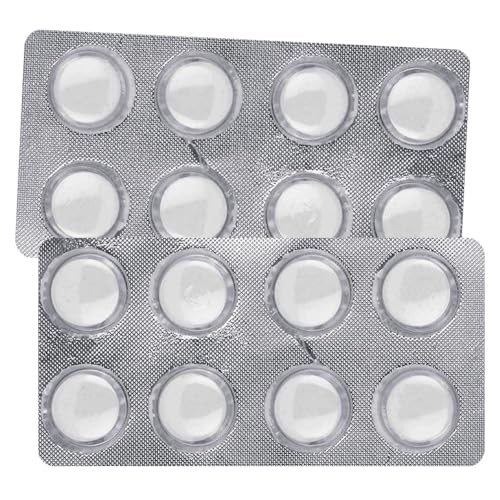
Important: descaling (dissolving limescale in the water path) is not the same as the cleaning cycle the “CLEAN ME” light asks for on the Barista Express — that’s a backflush with a cleaning tablet for coffee oils. Your machine needs both, on different schedules.
What descaler to use
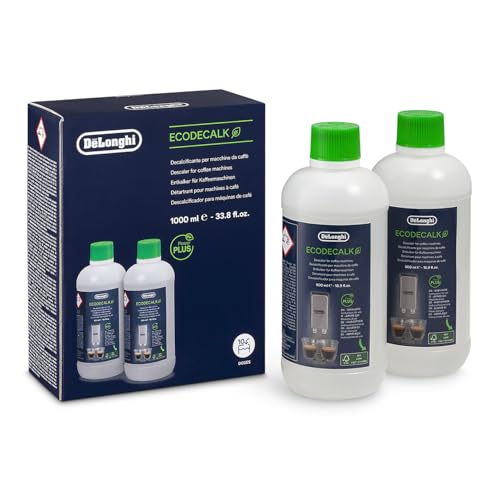
Sage sells its own descaler, but any quality liquid descaler formulated for espresso machines is fine — we rate Durgol Swiss Espresso for Sage’s ThermoJet and thermocoil machines, and De’Longhi EcoDecalk works universally despite the name. Never use vinegar — it attacks seals, leaves a taint, and Sage’s guidance treats damage from it as outside warranty.
Out of stock on Amazon UK right now. In stock instead: the same De'Longhi EcoDecalk in the 10-dose pack – £18How to descale a Sage machine — step by step
- Empty the water tank and remove the filter (water filters must come out before descaling, or the solution never reaches the scale).
- Mix descaler with water per the bottle’s ratio and fill the tank to the descale line (or ~1 litre).
- Enter descale mode. The button combination varies by model — on the Barista Express you hold the 2 CUP and POWER buttons together from off; on the Bambino ranges it’s a two-button hold from standby. Your manual’s “descale” page has the exact sequence for your model.
- Place a large jug under the group head and steam wand. Run the solution through in stages — the machine alternates between the coffee path, hot water and steam paths.
- When the tank is empty, rinse it thoroughly, refill with fresh water, and run the entire rinse phase. Repeat a second fresh-water flush — Sage thermocoils hold on to descaler taste more than most.
- Refit the water filter, then pull a blank shot (no coffee) and dump the first espresso you make.
Model notes
Barista Express / Pro: descale and the tablet cleaning cycle are separate procedures — the CLEAN ME light is not a descale alert. Bambino / Bambino Plus: fast ThermoJet heating means scale shows up quickly as slow, spluttery steam — don’t skip the second rinse. Dual Boiler: has a dedicated, menu-driven descale procedure involving draining both boilers; follow the manual closely — it’s longer but thorough.
More Sage help: CLEAN ME light & cleaning cycle · water filters · descaler vs cleaning tablets.
Frequently asked questions
How often should I descale a Sage coffee machine?
Every 2–3 months in hard-water areas (most of southern and eastern England), or monthly with heavy daily use. Soft-water areas (Scotland, Wales, the South West) can stretch to 4–6 months. If the machine shows a descale alert sooner, trust it.
Is the Sage CLEAN ME light the same as descaling?
No. CLEAN ME on the Barista Express asks for a backflush cleaning cycle with a cleaning tablet, which removes coffee oils from the group head. Descaling removes mineral scale from the water path and is a separate procedure with liquid descaler.
Can I use vinegar to descale a Sage machine?
No. Vinegar can damage seals and internal components, leaves a lingering taste, and problems caused by it aren’t covered under warranty. Use a proper lactic or sulphamic acid descaler formulated for espresso machines.
Do I need to remove the water filter before descaling?
Yes, always. The filter blocks the descaling solution from circulating properly, and descaler degrades the filter media. Take it out, descale, rinse, then refit it.
Related guides
- Best coffee machine descalers UK — the descalers we actually recommend
- How to descale a coffee machine — the full guide for every brand
- Best coffee machines UK · De’Longhi vs Sage · Nespresso vs bean-to-cup
ℹ Some links are affiliate links. We earn a commission if you buy through them, at no extra cost to you.