Best coffee beans UK 2026
Honest picks for espresso, bean-to-cup, and filter — at every price point.
Last updated: June 2026
The right coffee beans make as much difference as the machine brewing them. We've focused on beans that perform well in UK home setups — that means consistent quality, reliable availability on Amazon UK, and good value for daily drinking. Five picks, one for each situation.
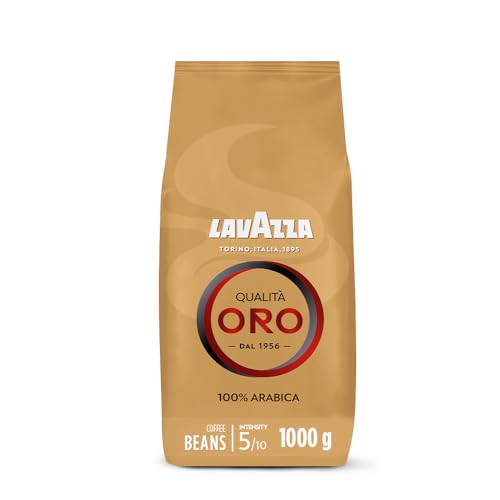 ★ Best overall
Lavazza Qualità Oro
1kg · 100% Arabica · Medium roast
Lavazza Qualità Oro is the most reliable all-round coffee bean available in the UK. It's 100% Arabica, medium roasted in Italy, and produces consistently smooth espresso with good crema and a slightly fruity, floral character. It works exceptionally well in bean-to-cup machines — the medium roast and non-oily texture are kind to grinders — and produces equally good results in espresso machines and filter.
At around £14 per kg it's outstanding value. A bag lasts a typical household of two around 3–4 weeks. The fact that it's available next-day on Amazon Prime makes it easy to keep in stock.
✓ Pros
- Excellent value at £14/kg
- Works in all machine types
- Consistent batch to batch
- Good crema, smooth finish
× Cons
- Not freshly roasted to order
- Less complex than speciality roasts
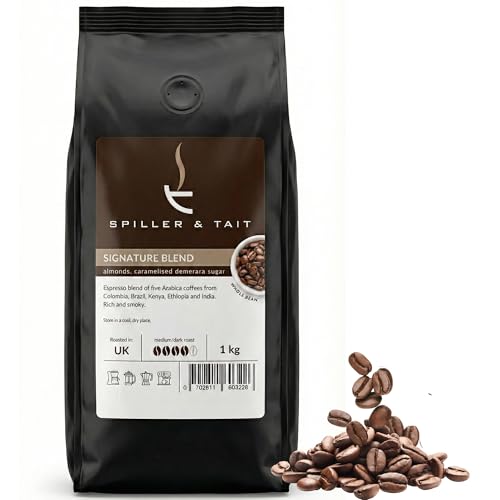 Best UK-roasted
Spiller & Tait Signature Blend
1kg · 100% Arabica · Medium roast
Spiller & Tait roast in small batches in the UK, which means the beans you receive are significantly fresher than Italian-roasted supermarket brands. The Signature Blend is their most popular — a multi-origin Arabica blend with notes of roasted almond and caramel, designed to be smooth and consistent across different brewing methods.
The freshness advantage is noticeable. Freshly roasted beans have more aromatic oils, which means better crema and more complex flavour. If you've only ever bought supermarket coffee, this is the upgrade that will genuinely surprise you.
✓ Pros
- Freshly roasted in the UK
- Award-winning blend
- Smooth, consistent flavour
- Great for espresso and bean-to-cup
× Cons
- £4 more per kg than Lavazza
- Not always Prime delivery
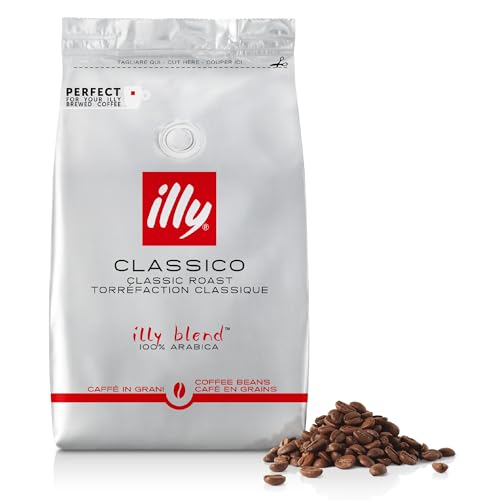 Best premium everyday
illy Classico Coffee Beans
500g · 100% Arabica · Medium roast
illy is one of Italy's finest commercial roasters and the Classico is their flagship blend — a 9-origin Arabica blend selected for balance, sweetness, and consistency. The nitrogen-sealed refill pouch keeps the beans genuinely fresh, and the quality is remarkably consistent from bag to bag.
It's slightly more expensive per kg than Lavazza/kg, but the cup quality justifies it. Notes of caramel and chocolate with a clean, balanced finish — exceptional in an espresso machine or bean-to-cup.
✓ Pros
- Exceptional consistency
- Nitrogen-sealed for freshness
- Beautiful caramel/chocolate notes
- Works superbly as espresso
× Cons
- £24/kg — more expensive
- 500g bags only (need to reorder more often)
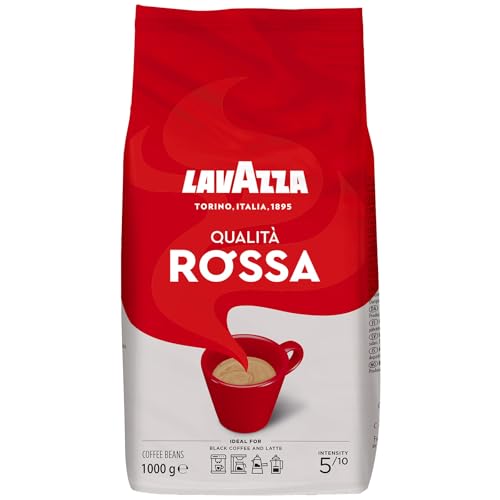 Best budget pick
Lavazza Qualità Rossa
1kg · Arabica & Robusta · Medium roast
Lavazza Qualità Rossa is the best-value coffee bean widely available in the UK. The Arabica/Robusta blend gives it more body and intensity than the pure Arabica Oro — it cuts through steamed milk beautifully, making it particularly good for cappuccinos and lattes in bean-to-cup machines.
The slightly higher bitterness that comes with the Robusta makes it less ideal for drinking black, but if you mainly make milk-based drinks, Rossa is excellent value/kg.
✓ Pros
- Best value at £11/kg
- Excellent for milk drinks
- Strong crema
- Widely available
× Cons
- More bitter than Arabica-only
- Less suited to black coffee drinkers
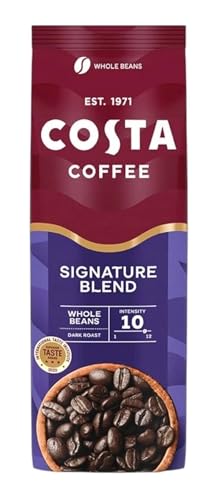 Best supermarket pick
Costa Coffee Beans Signature Blend
400g × 5 · Arabica & Robusta · Medium roast
If you love Costa coffee in-store and want to recreate it at home, these are the exact beans Costa uses. The Mocha Italia Signature Blend produces the same smooth, nutty, caramel-forward flavour you recognise from their cafés. It's reassuringly consistent and the 5-pack (1kg bag) offers reasonable value.
Rainforest Alliance certified, medium strength, and works well in any machine that can take whole beans. A good choice if you're new to buying beans and want a familiar, predictable result.
✓ Pros
- Tastes exactly like Costa in-store
- Consistent and predictable
- Rainforest Alliance certified
- Familiar flavour for beginners
× Cons
- Expensive per kg vs Lavazza
- Less complex than speciality roasts
How to choose the right coffee beans
Match your beans to your machine
| Machine type | Best roast | Our pick |
|---|---|---|
| Bean-to-cup | Medium roast blend — not too light or oily dark | Lavazza Qualità Oro or Spiller & Tait |
| Espresso machine | Medium to medium-dark — consistent grind important | illy Classico or Spiller & Tait |
| Filter / Moccamaster | Medium to light roast — filter reveals subtlety | Lavazza Qualità Oro or speciality roaster |
| Cafetière / French press | Medium-dark — full body suits the method | Lavazza Qualità Rossa or Costa |
| Moka pot | Medium-dark Arabica/Robusta blend | Lavazza Qualità Rossa |
Arabica vs Robusta — which should I buy?
100% Arabica produces sweeter, more complex, aromatic coffee with lower caffeine. Better for black coffee and for tasting the nuances of single origins. Robusta blends produce stronger, more intense coffee with better crema — the Robusta content adds body and the thicker crema that characterises Italian-style espresso. Better for milk-based drinks where the coffee needs to cut through steamed milk.
For most UK home users, a medium roast Arabica blend (Lavazza Oro, Spiller & Tait) is the safest starting point.
How fresh do coffee beans need to be?
Coffee beans are best within 2–6 weeks of roasting. After that, the volatile aromatic compounds degrade and the coffee tastes flatter, more bitter, and less interesting. Always look for a roast date on the bag — not just a best-before date. UK roasters like Spiller & Tait print roast dates; mass-market brands like Lavazza don't.
If your coffee tastes bitter or flat despite a good machine and grind, stale beans are often the culprit. See our bitter coffee troubleshooting guide for more.
Frequently asked questions
What are the best coffee beans to buy in the UK?
Lavazza Qualità Oro is the best all-round choice — consistent, great value at £14/kg, and works in all machine types. For freshly roasted UK beans, Spiller & Tait Signature Blend is the best espresso option. For premium everyday drinking, illy Classico is exceptional.
What are the best coffee beans for a De'Longhi Magnifica↓ £66 under its usual price
£203.06–£319.99 since 6 Sep?
Medium roast Arabica blends. Lavazza Qualità Oro is our top recommendation — it grinds cleanly, produces good crema, and does not clog the grinder. Spiller & Tait is an excellent step-up. Avoid very dark, oily beans as they can gum up bean-to-cup grinders.
What is the difference between Arabica and Robusta?
Arabica is sweeter, more aromatic, and more complex with lower caffeine. Robusta is stronger and more bitter, adding body and crema to blends. Most quality beans are 100% Arabica. Arabica/Robusta blends like Lavazza Qualità Rossa suit milk drinks where you want intensity to cut through steamed milk.
What roast level is best for espresso?
Medium to medium-dark. Light roasts are too acidic under espresso pressure. Very dark roasts are harder to balance and can taste bitter. Medium roasts (Lavazza Oro, illy Classico) are the safest and most versatile choice for espresso and bean-to-cup machines.
How long do coffee beans stay fresh?
At their best within 2–6 weeks of the roast date. After 6 weeks aromatic compounds degrade and coffee tastes flatter and more bitter. Always look for a roast date — not just a best-before date. UK roasters like Spiller & Tait roast to order, giving you significantly fresher beans.
Should I store coffee beans in the fridge?
No. The fridge introduces moisture and coffee absorbs fridge odours. Store in an airtight container at room temperature, away from light and heat. Use within 2–4 weeks of opening. For sealed bags, the freezer is acceptable — thaw completely before opening.
Can I use espresso beans in a filter coffee machine?
“Espresso beans” is a marketing term — any roasted bean can be brewed as espresso or filter. The grind size changes (coarser for filter), but the beans are interchangeable. Medium roasts like Lavazza Oro work well in both methods.
Are expensive coffee beans worth it?
Up to a point. Moving from budget supermarket beans (£7–10/kg) to Lavazza Oro (£14/kg) or Spiller & Tait (£18/kg) makes a noticeable quality difference. Beyond £25/kg, differences are more about flavour preference. For daily drinking, £12–18/kg is the sweet spot.
Are supermarket own-label coffee beans worth buying?
Generally no — most own-label supermarket beans are lower quality and often stale by the time you buy them. Branded options like Lavazza and illy in supermarkets are excellent. Spending £2–3 more per kg on a named brand makes a real difference to taste.
What is a roast date and why does it matter?
The roast date is when the beans were roasted — different from the best-before date, which is often 12–24 months later. Freshly roasted beans contain more CO2 and aromatic oils, producing better crema and more complex flavour. UK specialty roasters like Spiller & Tait include the roast date; most supermarket brands do not.
Our picks
-
★ Best overallLavazza Qualità Oro 1kg£19
-
Best UK-roastedSpiller & Tait Signature 1kg£21.99
-
Best premiumilly Classico 500g£12
-
Best budgetLavazza Qualità Rossa 1kg£17.98
-
Best supermarketCosta Signature 400g × 5£21.99