TL;DR — the quick answer
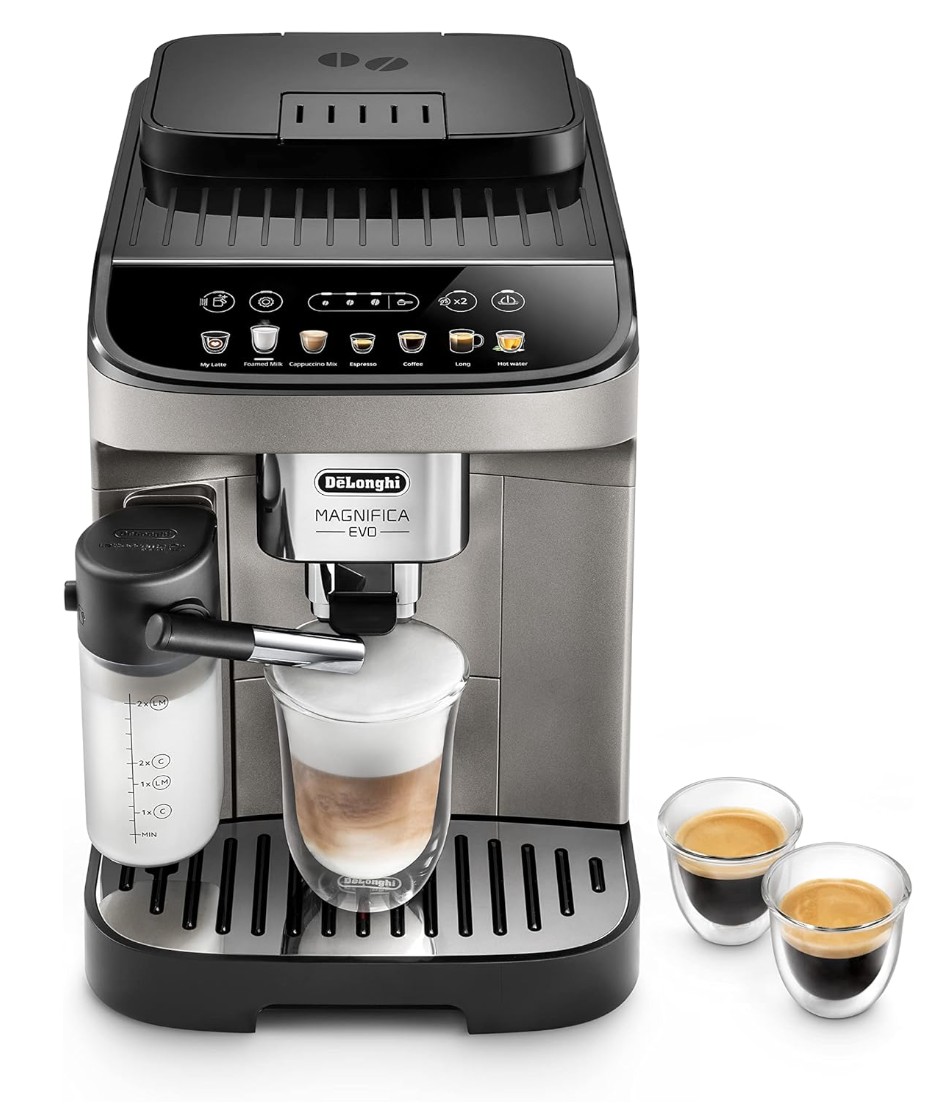
For true hands-off bean-to-cup, buy De'Longhi. The Magnifica range (£349-£499) grinds, brews, froths milk and ejects the puck automatically — press a button, walk away, come back to a finished latte.
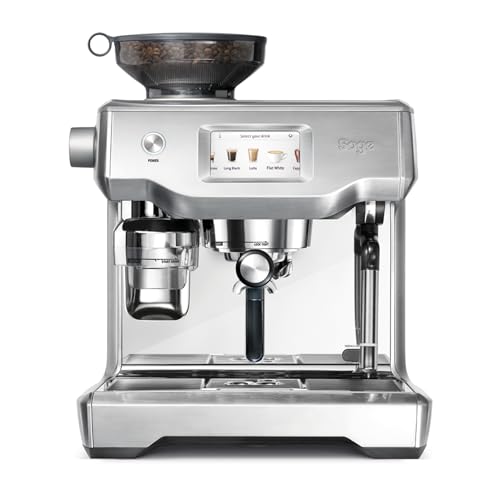
For café-grade espresso with some involvement, buy Sage. Sage's "bean to cup" machines (like the Oracle Touch) grind and tamp automatically but still use a portafilter — better espresso, more hands-on, much pricier.
The key question: do you want convenience (De'Longhi) or cup quality with a bit of involvement (Sage)? They genuinely aren't the same type of machine.
"Sage vs De'Longhi for bean-to-cup" is one of the most common UK coffee machine questions — and it has a surprising answer. The two brands approach "bean to cup" completely differently. De'Longhi makes genuinely hands-off fully-automatic machines. Sage's "bean to cup" machines are automated espresso machines that still need you to handle a portafilter. This guide explains the difference and shows which suits you. Last updated: June 2026
The short answer
Best for true hands-off convenience
Genuinely fully-automatic bean-to-cup. Grinds, brews, froths milk and ejects the puck — zero technique. The Magnifica range is the UK's best-selling bean-to-cup for good reason.
Best for café-grade espresso, hands-on
Automated espresso machines, not true bean-to-cup. The Oracle Touch grinds and tamps automatically but you still clip in a portafilter. Café-grade espresso, premium price, more involvement.
Head-to-head comparison
| Category | De'Longhi | Sage | Winner |
|---|---|---|---|
| Machine type | True fully-automatic bean-to-cup | Automated espresso (portafilter) | De'Longhi (for hands-off) |
| Espresso quality | Good — pressurised extraction | Excellent — 9-bar regulated, dual boiler | Sage |
| Hands-off convenience | Total — no portafilter, no technique | Partial — you handle the portafilter | De'Longhi |
| Milk drinks | Excellent — LatteCrema auto (Evo) | Excellent — auto steam wand, better microfoam | Tie |
| Ease for beginners | Excellent — anyone can use it | Good — touchscreen helps, but more involved | De'Longhi |
| Build & longevity | Good — 10,000+ cups | Excellent — commercial-grade components | Sage |
| Entry price | £349 (Magnifica Start) | £1,499 (Oracle Touch) | De'Longhi |
| Range breadth | Wide — £349 to £1,500 bean-to-cup | Narrow — premium espresso machines only | De'Longhi |
| UK availability | Universal — everywhere | Specialist + major retailers | De'Longhi |
De'Longhi in detail
De'Longhi is the brand that defines fully-automatic bean-to-cup in the UK. The Magnifica range grinds fresh beans, doses, brews, froths milk, and ejects the used puck — all in a single one-button workflow. There is no portafilter to handle, no tamping, no technique. Press a button, get a finished drink.
The Magnifica Start has a manual milk frother; the Magnifica Evo adds the LatteCrema automatic milk system that produces consistent cappuccinos and lattes with zero skill. Both use a reliable steel conical burr grinder and produce good (not café-elite) pressurised espresso.
This is the machine for anyone who values convenience above all. The trade-off versus Sage is espresso quality — De'Longhi's pressurised extraction is good but not as nuanced as Sage's 9-bar regulated shots. For milk drinkers, that difference is largely masked.
Who should buy De'Longhi
- You want true one-button coffee — no portafilter, no technique
- Multiple people in the household make coffee (anyone can use it)
- You drink mostly milk drinks (cappuccino, latte, flat white)
- You're upgrading from a pod machine and want convenience + quality
- Your budget is £349-£700
Sage in detail
Here's the crucial distinction: Sage doesn't really make a fully-automatic bean-to-cup in the De'Longhi sense. Sage's flagship "bean to cup" machine, the Oracle Touch, grinds, doses and tamps automatically — but you still clip a portafilter into the group head yourself. It's an automated espresso machine, not a hands-off bean-to-cup.
What you get for the extra involvement and money is genuinely superior espresso. Sage uses 9-bar regulated extraction, dual boilers, PID temperature control, and a 22g commercial-size dose — the same fundamentals as a café machine. The espresso is noticeably better than any De'Longhi Magnifica.
The Oracle Touch's automatic steam wand produces excellent microfoam, and the touchscreen walks you through everything. But make no mistake — this is a premium espresso machine that automates the hard parts, not a walk-away bean-to-cup. If you want true hands-off, this isn't it (and the De'Longhi is a quarter of the price).
Who should buy Sage
- You want genuine café-grade espresso quality
- You enjoy being slightly involved in the coffee-making process
- You want to develop or use barista-level skills
- You drink straight espresso, flat whites and want the best microfoam
- Your budget stretches to £1,000-£2,000+
Which should you buy?
If your budget is under £500: Buy De'Longhi — there's no Sage bean-to-cup at this price. The Magnifica Start or Magnifica Evo are the best hands-off machines in this range, full stop.
If you want maximum convenience at any budget: Buy De'Longhi. Even De'Longhi's premium PrimaDonna range (£900-£1,500) is more hands-off than any Sage. You never touch a portafilter.
If you want the best espresso and don't mind being involved: Buy Sage. The Oracle Touch or a Barista Express Impress produces café-grade shots a De'Longhi can't match.
If you want a middle ground: Consider the De'Longhi La Specialista range (£500-£900) — De'Longhi's more hands-on, higher-quality espresso line that sits between the convenience of a Magnifica and the involvement of a Sage.
What beans should you use?
Both machines work brilliantly with medium-roast Arabica blends. Our top picks:
- Lavazza Qualità Oro (£14/kg) — best everyday all-rounder
- Spiller & Tait Signature Blend (£18/kg) — freshly UK-roasted
- illy Classico — premium everyday option
Avoid very dark, oily roasts in fully-automatic machines — they can clog integrated grinders. See our full best coffee beans UK guide.