How to descale a coffee machine
Step-by-step descaling guide for De'Longhi, Sage, Philips, Nespresso and all major brands — with UK water hardness guidance.
Last updated: June 2026
Limescale is the biggest cause of coffee machine failure in the UK. It builds up inside heating elements and pipes, reducing efficiency, affecting flavour, and eventually breaking the machine entirely. Regular descaling — every 2–3 months in most UK areas — keeps your machine running properly and coffee tasting its best.
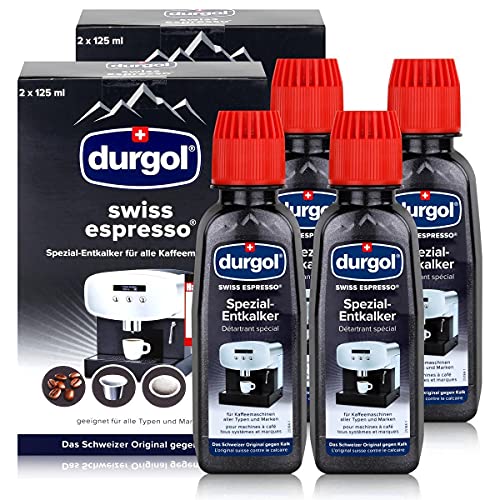
Pick the descaler for your machine
Prices checked 8 Oct 15:00 UTC on Amazon UK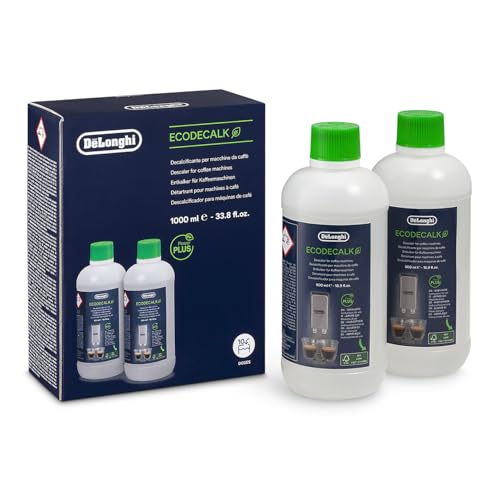
How often should you descale?
It depends where you live. UK water hardness varies significantly:
| UK region | Water hardness | Descale frequency |
|---|---|---|
| Scotland, Wales, Northern England | Soft (0–100 ppm) | Every 3–4 months |
| Midlands, Northern Ireland, South West | Moderate (100–200 ppm) | Every 2–3 months |
| East Anglia, East Midlands | Hard (200–300 ppm) | Every 1–2 months |
| London, South East, Anglia | Very hard (300+ ppm) | Monthly |
Check your water hardness at Thames Water or your local water supplier's website.
What descaler should I use?
For most machines, use the manufacturer's own descaler — it's formulated for their specific materials and won't damage seals or internal components. Generic citric acid descalers from supermarkets work for simple filter machines but can be too aggressive for bean-to-cup machines.
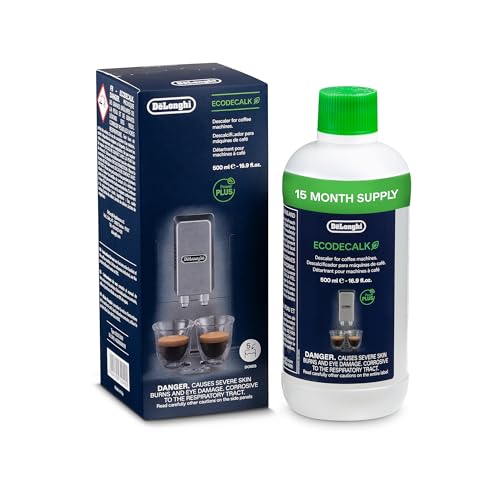 De’Longhi EcoDecalk5 doses · Magnifica, Dedica, StilosaCheck priceOut of stock on Amazon UK right now. In stock instead: the same De'Longhi EcoDecalk in the 10-dose pack – £18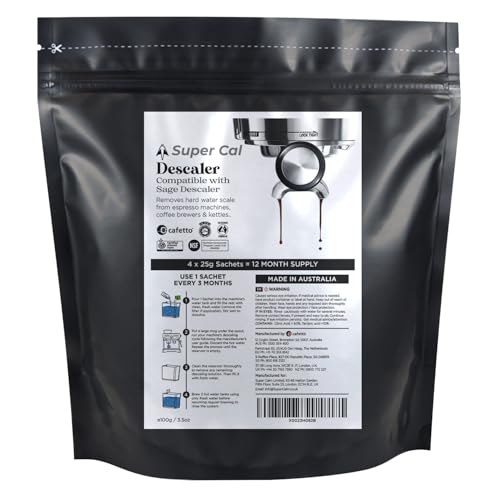
Jura owners: use Jura-branded descaler only — it’s a warranty condition on every Jura model.
How to descale — step by step
The process varies slightly by brand, but the principle is the same for all machines:
- How to descale a Sage machine (Barista Express, Bambino)
- How to descale a De’Longhi (Magnifica, Dedica)
- How to descale a Nespresso (Vertuo & Original)
Brand-specific descaling notes
 Full guide →
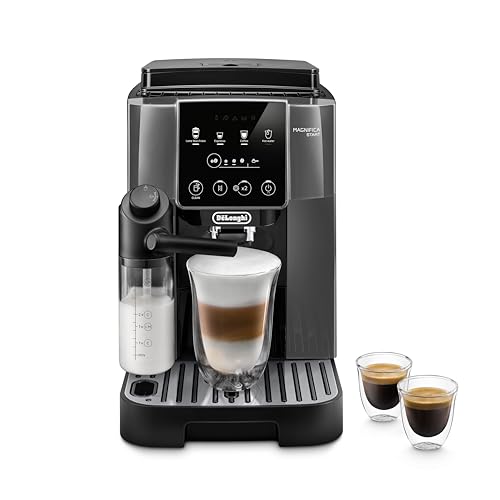
De'Longhi (Magnifica, Dedica, Stilosa)
Use De'Longhi EcoDecalk. The Magnifica Start and Evo have a guided descaling programme in the menu — follow the on-screen prompts. The Dedica requires a manual process: hold the steam button while switching on. Check your manual for your exact model.
 Full guide →
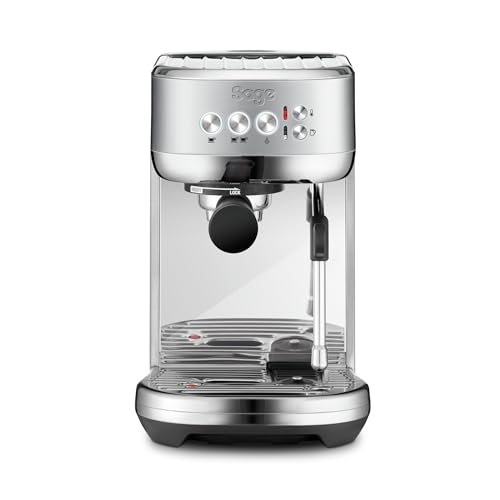
Sage (Bambino Plus, Barista Express)
Use Sage descaler tablets. The Bambino Plus descales by holding the 1-cup and power buttons simultaneously — it runs a full guided cycle. The Express uses a similar approach. Rinse cycles are particularly important with Sage due to the thermocoil system.
 Full guide →
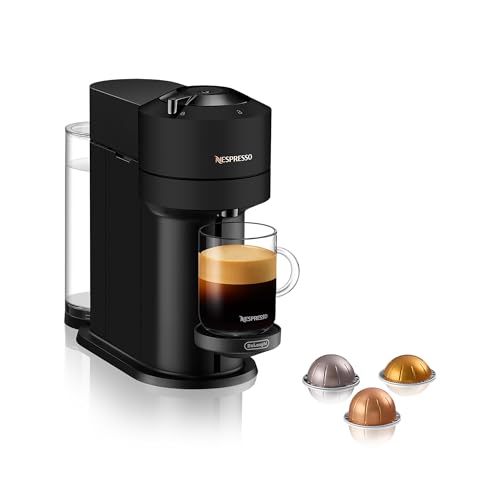
Nespresso (Original, Vertuo)
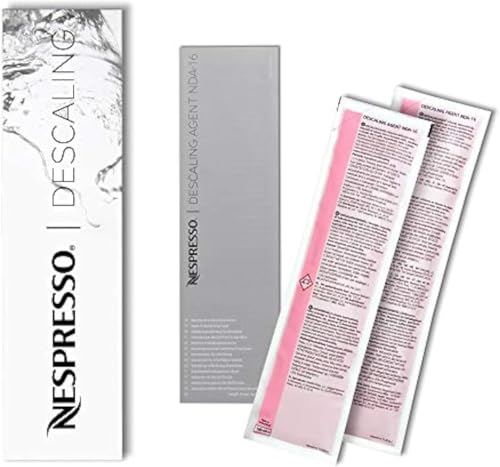
Nespresso provides a specific descaling kit with instructions. The process varies by model — most Nespresso machines enter descaling mode by pressing a specific button combination. Always use Nespresso's kit, not generic alternatives, to avoid voiding warranty.
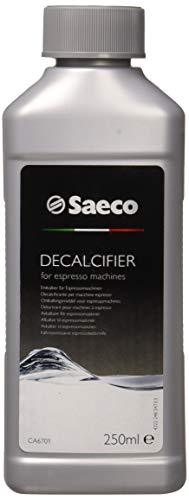
Philips (3200, 4300 series)
Remove the AquaClean filter before descaling — it's not designed to pass descaler through. Use Philips CA6703 descaler. The machine has a guided descaling programme accessible from the display.
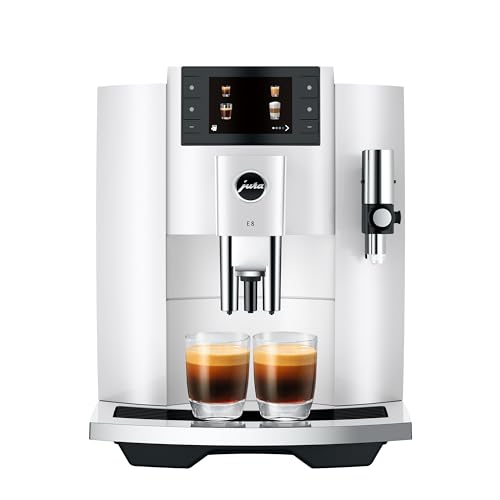
Jura (E8, Z10, S8, ENA series)
Jura machines must use Jura-branded descaler — this is a condition of the warranty and also because Jura uses specific alloys in their boilers that react poorly to citric acid-based descalers. The machine's display will guide you through the full descaling cycle step by step. Do not cancel partway through. Allow the full cycle and rinse to complete before using the machine.
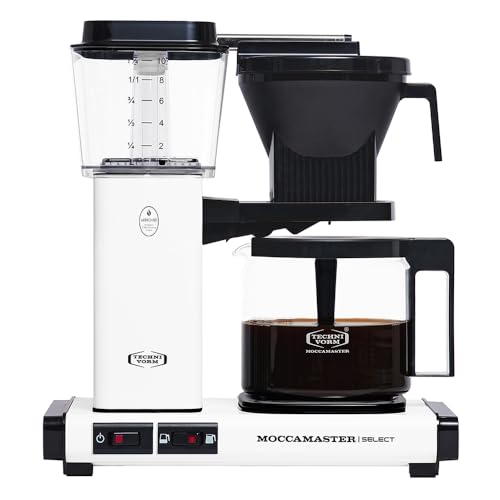
Filter machines (Moccamaster, Melitta, Braun)
Mix a citric acid solution (1 tablespoon citric acid per litre of water) or use a dedicated filter machine descaler. Run through a full brew cycle without a filter paper in place, then run two full tanks of clean water through to rinse. Filter machines are simpler to descale than espresso or bean-to-cup machines — the entire process takes around 20 minutes.
What happens if you don't descale?
Limescale is essentially calcified minerals from hard water. Inside a coffee machine, it coats heating elements (reducing efficiency and increasing energy use), narrows pipes and valves (slowing water flow), and affects the taste of your coffee by raising mineral content in the brew water. In hard water areas like London or East Anglia, an undescaled machine can suffer permanent boiler damage within 12–18 months of heavy daily use.
Beyond outright failure, the gradual effects are noticeable well before breakdown: coffee starts tasting flatter or more bitter, the machine takes longer to heat up, and steam pressure from the wand weakens. Regular descaling prevents all of this and extends machine life significantly — it's one of the most cost-effective maintenance habits for any coffee machine owner.
Can you use citric acid to descale a coffee machine?
It depends on the machine type:
- Filter machines (Moccamaster, Melitta, Braun): Yes — citric acid works well. Use 1 tablespoon of citric acid powder per litre of water. It's cheap, food-safe, and effective at dissolving limescale.
- Espresso and bean-to-cup machines: No — do not use citric acid. Most modern espresso and bean-to-cup machines use aluminium boiler components and rubber seals that citric acid can corrode over time. The risk of damage is real, especially with repeated use. Always use the manufacturer's recommended descaler for these machines.
- Nespresso (Original line): Nespresso's official kit is citric acid-based, but it's formulated and diluted to the correct concentration for their machines. Using supermarket citric acid at full strength is not the same thing.
Common descaling mistakes to avoid
- Interrupting the cycle mid-way. Stopping a descaling programme partway through leaves concentrated descaler solution sitting inside pipes, seals, and the boiler. Always let the full programme run.
- Not rinsing enough. One rinse cycle is often not sufficient. Run two full tanks of clean water through after descaling — residual descaler is bitter and can affect your coffee for days if not fully flushed out.
- Using the wrong descaler. Cheap generic tablets from supermarkets may work in filter machines, but in espresso and bean-to-cup machines they can be too aggressive. Use the brand's own descaler.
- Leaving the filter cartridge in. If your machine has a water filter (Philips AquaClean, Brita, or similar), remove it before descaling. Running descaler through a filter cartridge damages or destroys the filter and reduces descaling effectiveness.
- Ignoring the alert for weeks. Limescale continues to build up even after the alert triggers. The sooner you descale after the alert appears, the less work there is for the descaler to do.
- Not confirming completion. Many machines (De'Longhi especially) require you to confirm in the menu that descaling is complete to reset the alert counter. If you skip this step, the alert will keep showing even though the machine has been descaled.
Signs your machine needs descaling
- The descale alert light or message is on
- Coffee takes longer to brew than usual
- Water drips slowly from the spout
- Coffee tastes different — more bitter or sour
- Machine makes more noise than usual
- Steam is weaker from the wand
- UK water hardness & your machine — descaling schedule by region
- How to clean a milk frother · How to clean a coffee grinder
- Coffee machine deals UK — when Sage & De’Longhi really go on sale
Brand-specific guides: De’Longhi · Sage · Nespresso. Keep the rest of the machine clean too: milk frother · grinder.
Troubleshooting: De’Longhi descale light won’t go off · Sage CLEAN ME light · De’Longhi brew group · descaler vs cleaning tablets · water filters.
Frequently asked questions
How often should I descale my coffee machine?
Every 2–3 months in most UK areas. In London and the South East (very hard water, 300+ ppm), descale monthly. In Scotland, Wales, and Northern England (soft water), every 3–4 months is fine. Your machine's alert is the most reliable indicator — don't ignore it.
What descaler should I use?
Use the manufacturer's own descaler wherever possible. Key recommendations: De'Longhi EcoDecalk for De'Longhi, Sage-compatible descaler (Super Cal) for Sage, Nespresso Descaling Kit for Nespresso, and Jura's own descaler for Jura machines. For filter machines, citric acid or a generic supermarket descaler works fine.
Can I use vinegar to descale a coffee machine?
No. White vinegar is not recommended for any modern coffee machine. It can damage rubber seals and internal components, and leaves a persistent residual smell and taste that affects coffee flavour for days even after thorough rinsing. Always use a purpose-made coffee machine descaler.
Can I use citric acid to descale a coffee machine?
Only for simple filter machines — mix 1 tablespoon per litre of water, run through a brew cycle, then rinse twice. Do not use citric acid in espresso or bean-to-cup machines, as it can corrode aluminium boiler components and degrade rubber seals with repeated use. For those machines, stick to the manufacturer's descaler.
What happens if I don't descale my coffee machine?
Limescale builds up inside the boiler and pipes, reducing heating efficiency, slowing water flow, and worsening coffee flavour. In hard water areas, an undescaled machine can suffer permanent boiler damage within 12–18 months of heavy use. Regular descaling is the single most important maintenance habit for machine longevity.
How do I know when my coffee machine needs descaling?
The descale alert light or on-screen message is the clearest sign. Others include: coffee taking longer to brew, water dripping slowly from the spout, coffee tasting more bitter or flat, the machine being louder than usual, or weaker steam from the milk wand.
How long does descaling take?
The full process including rinse cycles takes 45–60 minutes for most machines. The descaling programme itself is typically 25–35 minutes, followed by one or two rinse cycles. Plan to be without coffee for about an hour.
My machine has no descale programme — what do I do?
On machines without a dedicated programme (older filter machines, basic espresso machines), mix the descaling solution in the water tank and manually run one or two full brew cycles through the machine without a filter or pod in place. Then run two full tanks of clean water through to rinse. Always check your machine's manual for the specific recommended process.
How do I know if my descaling was successful?
The descale alert should clear and reset. Coffee should brew at normal speed again, taste cleaner, and steam pressure from the wand should return to normal. If the alert reappears immediately after descaling, the cycle may not have completed properly — repeat the process, ensuring you don't interrupt it mid-cycle.
Can I use supermarket descaler tablets in any machine?
For filter machines, yes — generic tablets work fine. For espresso and bean-to-cup machines, it's safer to use the manufacturer's own descaler or a reputable branded alternative. Cheap generic tablets often contain higher concentrations of acids that can be too aggressive for the alloys and seals used in premium machines like De'Longhi, Sage, or Jura.
☕ Looking for a new machine?
Browse our independent UK coffee machine picks:
Best coffee machines UK 2026 →Recommended descalers
-
De'Longhi EcoDecalkFor all De'Longhi machinesCheck price
-
Sage-compatible descaler (Super Cal)For Sage / Breville machines£10.99
-
Nespresso Descaling KitFor Original and Vertuo£10
-
Jura DescalerFor all Jura machinesView on Amazon
Related: Descale a Philips · How to backflush an espresso machine