TL;DR — the quick answer
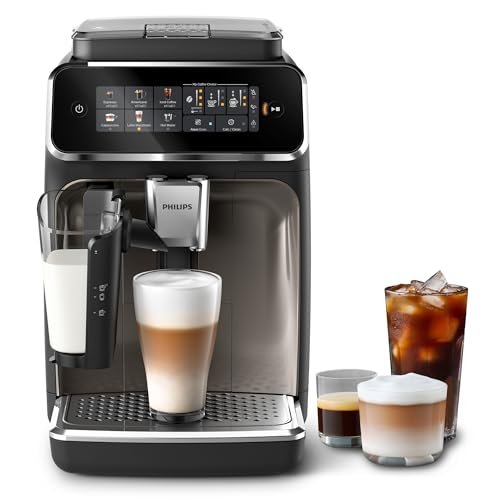
For easiest cleaning, buy the Philips 3300 Series LatteGo. Its LatteGo milk system is just two clip-together parts with no tubes — rinses in seconds, dishwasher-safe. The ceramic grinder is also quieter.
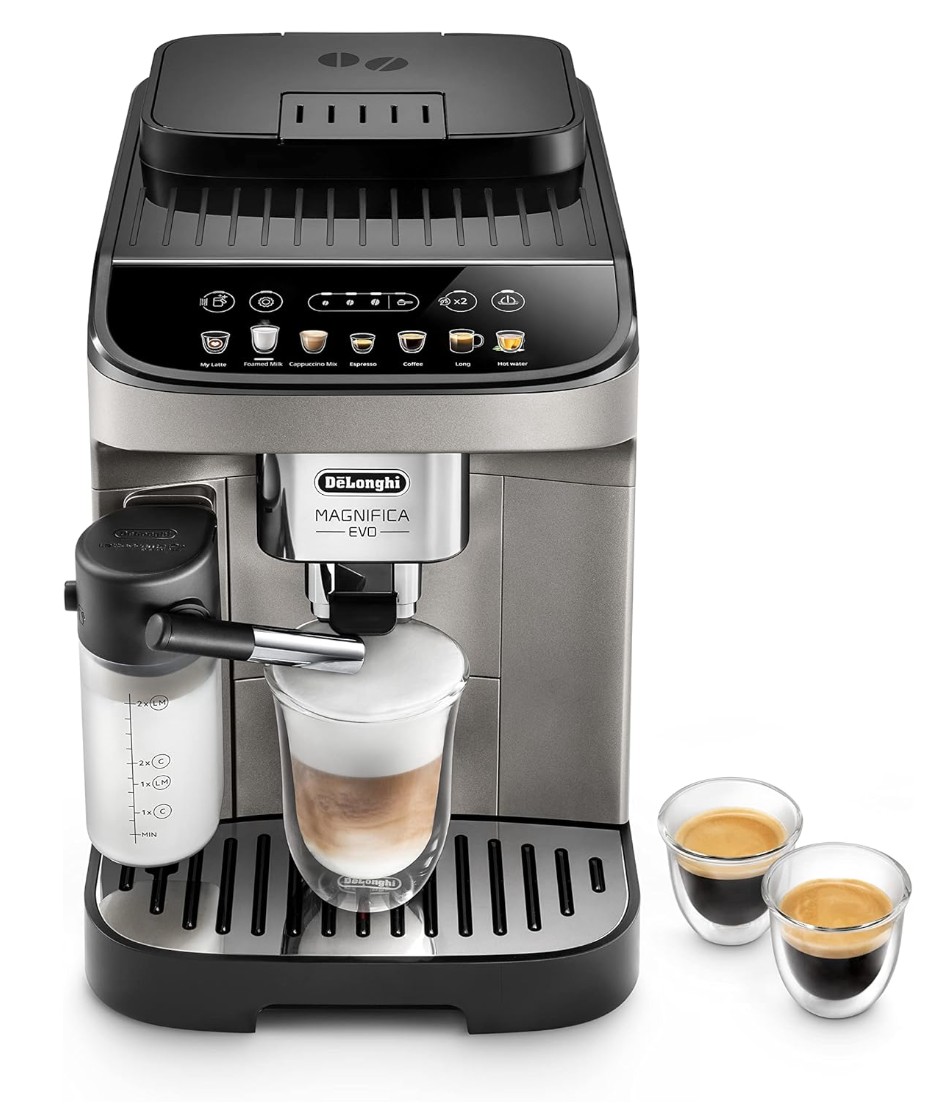
For the best milk drinks and display, buy the De'Longhi Magnifica Evo. The LatteCrema carafe produces slightly better, more consistent microfoam, and the colour display with 7 one-touch recipes is more polished.
Both make very similar espresso. The decision really comes down to milk system (Philips = easier clean, De'Longhi = better foam) and whether the £70 price difference matters to you.
Philips and De'Longhi dominate the UK's £400-500 bean-to-cup market, and the Philips 3300 Series LatteGo vs De'Longhi Magnifica Evo is the most common head-to-head buyers face. Both are genuinely fully-automatic — grind, brew, froth and eject the puck at one button press. The differences come down to the milk system, grinder type, cleaning, and noise. This guide breaks down which suits you. Last updated: June 2026
The short answer
Best for easy cleaning & quiet operation
LatteGo milk system (two parts, no tubes, dishwasher-safe). Ceramic burr grinder runs quieter and cooler. 5 coffee varieties, intuitive icon display. The low-maintenance choice.
Best for milk drinks & display
LatteCrema carafe produces excellent, consistent microfoam. Colour TFT display with 7 one-touch recipes. Steel grinder with 13 grind settings. The more polished, milk-focused choice.
Head-to-head comparison
| Category | Philips 3300 Series | De'Longhi Evo | Winner |
|---|---|---|---|
| Machine type | Fully-automatic bean-to-cup | Fully-automatic bean-to-cup | Tie |
| Milk system | LatteGo — 2 parts, no tubes, easiest clean | LatteCrema carafe — better foam, more parts | Depends (clean vs foam) |
| Milk foam quality | Very good | Excellent — silkier microfoam | De'Longhi |
| Cleaning ease | Excellent — rinse in seconds, dishwasher-safe | Good — more parts to clean | Philips |
| Grinder | Ceramic — quieter, cooler, 20,000 cups | Steel — 13 grind settings, slightly louder | Depends (quiet vs settings) |
| Display | Icon panel — intuitive, basic | Colour TFT — 7 recipes, more premium | De'Longhi |
| Espresso quality | Good — pressurised extraction | Good — pressurised extraction | Tie |
| Noise | Quieter (ceramic grinder) | Slightly louder (steel grinder) | Philips |
| Price | Check price | Check price | Philips |
| Amazon UK reviews | 5,900+ at 4.5 stars | 4,100+ at 4.5 stars | Tie |
Philips 3300 Series in detail
The Philips 3300 Series LatteGo's headline feature is the LatteGo milk system — just two parts that clip together, with no tubes or hoses for milk to get stuck in. You rinse it under the tap in seconds, and both parts are dishwasher-safe. For anyone who's been put off bean-to-cup machines by fiddly milk-carafe cleaning, this is the single biggest reason to choose Philips.
The ceramic burr grinder is the other standout. Ceramic burrs run quieter and cooler than steel, preserving bean aromas and operating noticeably more quietly at 7am. Philips rates them for 20,000 cups. The 3200 offers 5 coffee varieties (espresso, coffee, cappuccino, latte macchiato, americano) selected via an intuitive icon display.
The espresso is good — pressurised extraction comparable to the De'Longhi. The trade-off versus the Magnifica Evo is a slightly less sophisticated display and milk foam that's good but a touch behind De'Longhi's LatteCrema. With 5,900+ Amazon UK reviews at 4.5 stars, it's one of the most-bought bean-to-cup machines in Britain.
Who should buy Philips 3300 Series
- You want the easiest-possible milk system to clean (LatteGo is 2 parts, no tubes)
- Quiet operation matters — the ceramic grinder is noticeably quieter
- You want dishwasher-safe milk components
- You prefer a slightly lower price (£70 less than the Evo)
- You drink a mix of black coffee and milk drinks
De'Longhi Evo in detail
The De'Longhi Magnifica Evo's strength is milk. The LatteCrema automatic system uses a detachable carafe (fridge-storable between uses) to produce hot, properly textured milk for cappuccinos, lattes and flat whites — slightly silkier and more consistent than the Philips LatteGo. For dedicated milk-drink fans, this is the edge.
The colour TFT display and 7 one-touch recipes make the Evo feel more premium than the Philips' icon panel. You can customise each drink (strength, length, milk) and save preferences. The steel conical burr grinder offers 13 grind settings — more granular than the Philips, though steel runs slightly louder than Philips' ceramic.
The trade-off is cleaning. The LatteCrema carafe has more parts than the Philips LatteGo, so it takes a bit longer to clean — though it's still dishwasher-safe and far from onerous. With 4,100+ Amazon UK reviews at 4.5 stars, it's the mid-range bean-to-cup sweet spot.
Who should buy De'Longhi Evo
- You drink mostly milk drinks and want the best automatic microfoam
- You want a colour display and 7 customisable one-touch recipes
- You want more grind settings (13 vs Philips' fewer steps)
- You'd like to save drink preferences per user
- The extra £70 over the Philips is worth it to you for milk quality
Which should you buy?
If you want the lowest-maintenance machine: Buy the Philips 3300 Series LatteGo. The 2-part milk system and quieter ceramic grinder make it the easiest bean-to-cup to live with day-to-day, and it's £70 cheaper.
If milk drinks are your priority: Buy the De'Longhi Magnifica Evo. The LatteCrema system produces slightly better, more consistent microfoam, and the colour display with one-touch recipes is more polished.
If you want to spend less: Both have cheaper siblings. The De'Longhi Magnifica Start drops the auto milk carafe for a manual frother; the Philips 2200 is the budget Philips. Both still make the same quality espresso.
Our overall pick: For most UK buyers, the Philips 3300 Series LatteGo edges it — the cleaning advantage and quieter operation matter every single day, and the milk quality gap is small. Choose the De'Longhi Evo only if milk-drink quality is your top priority.
What beans should you use?
Both machines work brilliantly with medium-roast Arabica blends. Our top picks:
- Lavazza Qualità Oro (£14/kg) — best everyday all-rounder
- Spiller & Tait Signature Blend (£18/kg) — freshly UK-roasted
- illy Classico — premium everyday option
Avoid very dark, oily roasts in fully-automatic machines — they can clog integrated grinders. See our full best coffee beans UK guide.