How to clean a bean-to-cup coffee machine
Bitter coffee, sour-smelling milk or a slow machine usually means one of three things needs cleaning. Here’s the routine that keeps all three under control.
Last updated: September 2026
ℹ Some links are affiliate links. We earn a commission if you buy through them, at no extra cost to you. Prices update hourly from Amazon UK.
The short version
Daily: empty the drip tray and grounds, rinse the milk system. Weekly: take out and rinse the brew group (De’Longhi, Philips, Melitta). Monthly: a coffee-oil cleaning tablet. When the light comes on: descale, or use the maker’s water filter so it rarely does.
Why bean-to-cup machines need a routine
A bean-to-cup machine hides three kinds of mess: coffee grounds and oil around the brew group, milk residue in the frother, and limescale in the water circuit. Each one causes a different problem: bitter or stale coffee, a sour smell and poor milk foam, or slow, lukewarm drinks. A few minutes a week prevents all three.
Every day
Every week
Jura machines are the exception: the brew group is fixed, so Jura uses its own cleaning tablets and automatic cleaning programme instead. Our De’Longhi brew group guide covers Magnifica and Dinamica in detail.
Every month
Run a coffee-oil cleaning tablet through the cleaning cycle (Philips, Melitta, Jura and others have one), or put a degreasing tablet in the brew group as your manual describes. Deep-clean the milk system with a milk cleaner if you use it daily.
When the descale light comes on
Descale with the maker’s descaler: see De’Longhi and Philips. Using the maker’s water filter cuts how often this happens.
Cleaning kit worth having
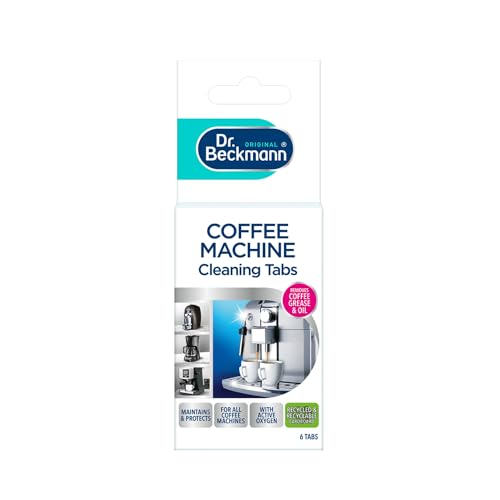
- Removes coffee oil
- For bean-to-cup machines
Cheap coffee-oil cleaning tablets for bean-to-cup machines. Check your manual says third-party tablets are fine for your model.
£3.99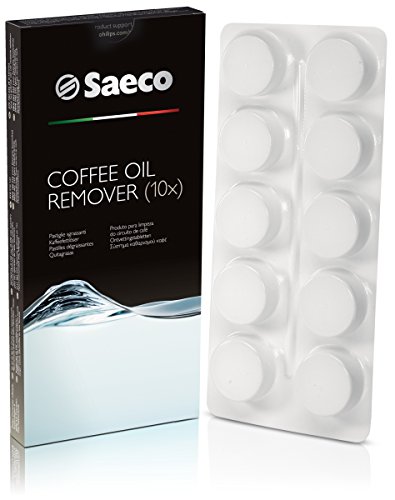
- Brew group clean cycle
- Official Philips part
Philips' own tablets for the brew group clean cycle.
£6.39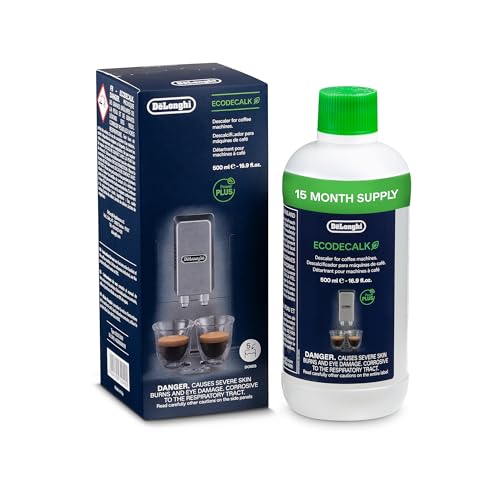
- Plant-based descaler
- 5 descales
De'Longhi's own descaler, the one its machines' descaling programmes are designed around.
£7.99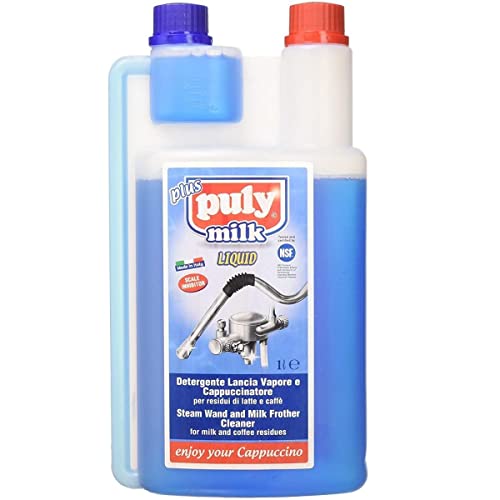
- Liquid milk-system cleaner
- Removes milk residue
A dedicated milk-system cleaner for frothers and milk jugs used every day, where rinsing alone leaves residue.
£12.60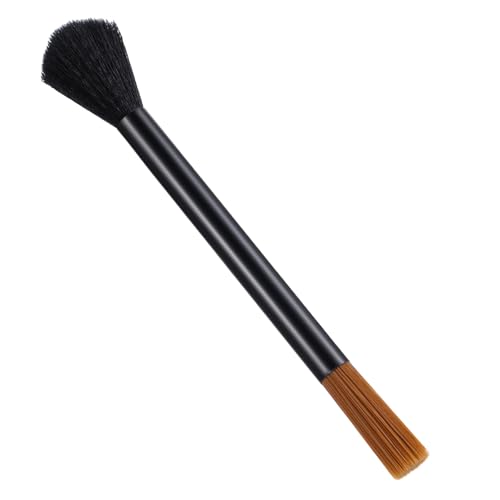
- Soft bristles
- Two brush heads
For brushing grounds out of the brew group bay and grinder chute.
£3.95Frequently asked questions
How often should I clean the brew group?
Rinse the removable brew group under lukewarm water once a week, with no washing-up liquid, and let it air-dry. Use a degreasing tablet monthly or as your manual says.
Can I put the brew group in the dishwasher?
No. Detergent strips its lubrication and heat can warp it. Rinse it under the tap only.
Why does my bean-to-cup coffee taste bitter?
Usually old coffee oil on the brew group or in the grinder. A brew group rinse and a cleaning tablet often fix it; see our bitter coffee guide.
Do I need to clean a Jura brew group?
Jura's brew group isn't removable. Run the machine's cleaning programme with Jura cleaning tablets when it asks.
Related guides
De'Longhi brew group · Cleaning the milk frother · Descale a Philips · Why coffee tastes bitter
How we write these: we don’t lab-test machines. Guides are based on manufacturer manuals and published specifications, and picks on specs, brand reputation and UK availability. How we choose.