Best espresso machines under £200 UK 2026
Good espresso without a big budget. Honest picks from under £80 to £199.
Most cheap espresso machines promise café-quality results but fail to deliver — poor pressure regulation, thin crema, and bitter shots. These four are the ones that actually perform at their price point. If you want real espresso without spending £300+, here's where to start.
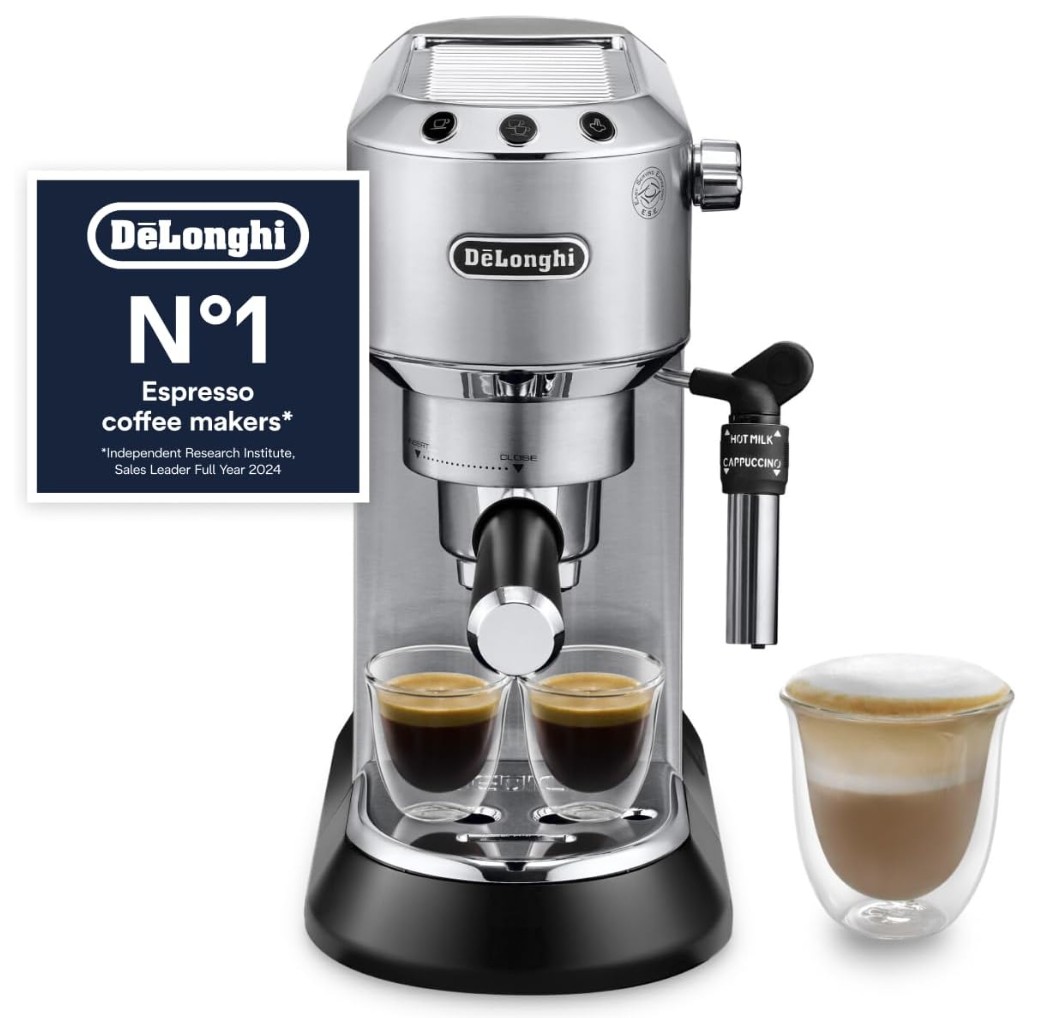
De'Longhi Dedica EC685
~£149 · Amazon UK
The De'Longhi Dedica EC685 is the best espresso machine under £200 in the UK. Its 15cm width makes it perfect for small kitchens, it heats up in 35 seconds, and produces consistently good espresso for the price. The thermoblock system allows quick switching between brew and steam modes. It accepts both ground coffee and ESE pods. A genuine entry-level espresso machine that doesn't cut important corners.
✓ Pros
- Extremely slim (15cm wide)
- Fast heat-up
- Good espresso quality for price
- Accepts ESE pods
× Cons
- Small portafilter limits grind dial-in
- Steam wand takes practice
- Small drip tray
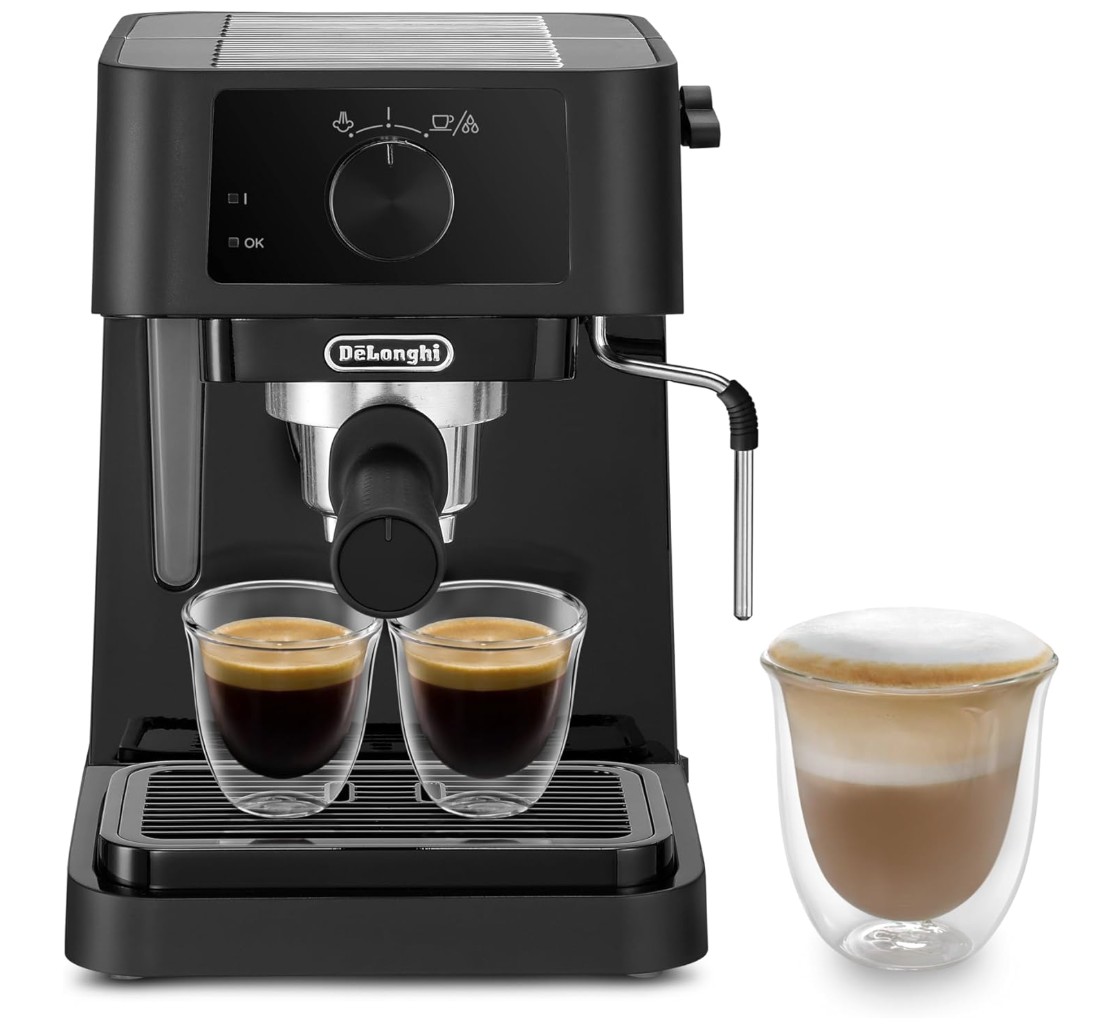
De'Longhi Stilosa EC230
~£75 · Amazon UK
At under £80, the Stilosa is the most honest entry-level espresso machine on the UK market. It uses ground coffee or ESE pods, has a manual steam wand for milk, and makes acceptable espresso for the price. It's not going to produce perfectly regulated 9-bar shots, but for someone who wants to learn espresso-making on a tight budget, it's the best starting point available.
✓ Pros
- Under £80
- Compact
- Accepts ground coffee and ESE pods
× Cons
- Unregulated pressure
- Small tank (1L)
- Basic steam wand
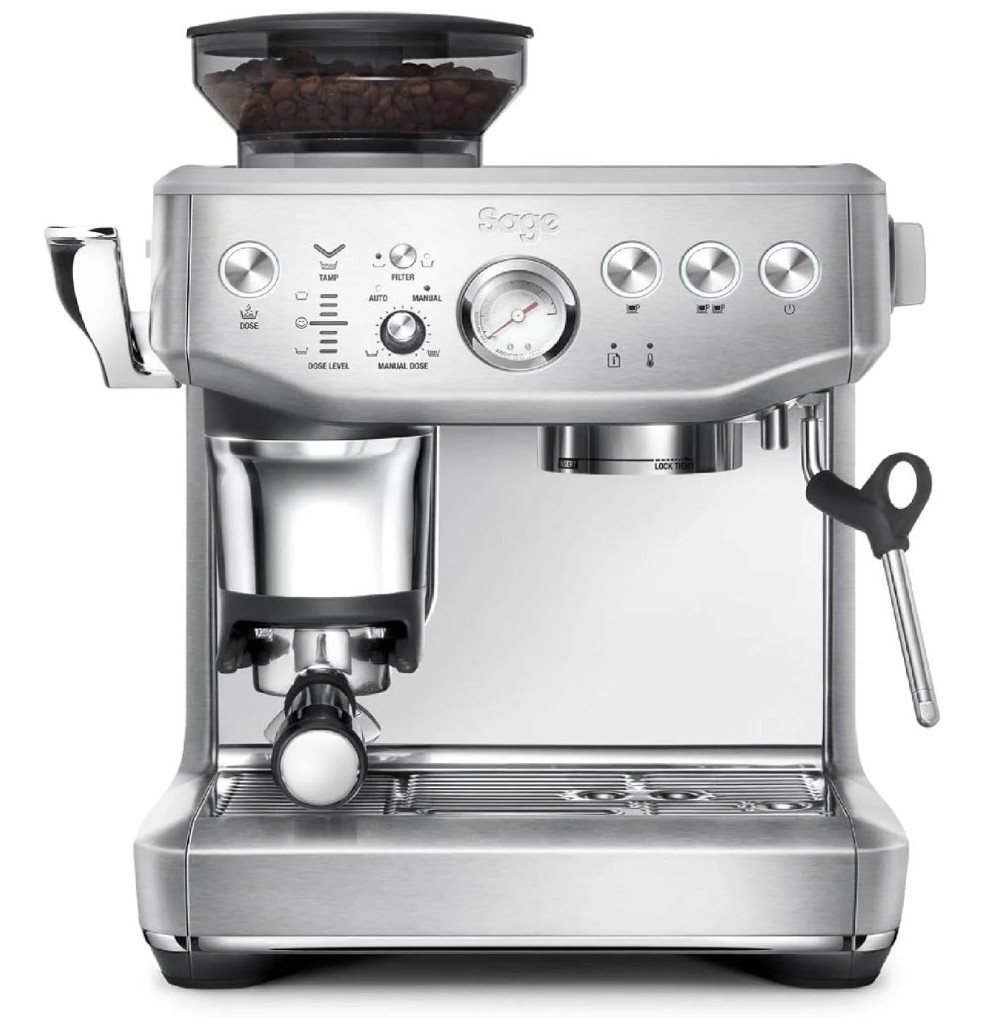
Sage Barista Express Impress VCF145
~£630 · Amazon UK
The Sage Barista Express Impress is a compelling option for those who want a grind-and-brew espresso machine without going to full bean-to-cup prices. The integrated grinder is basic but works, and the Impress tamping system removes one of the biggest beginner mistakes (poor or inconsistent tamping). Good value at ~£630 if you want fresh-ground espresso on a tighter budget than a De'Longhi Magnifica.
✓ Pros
- Built-in grinder
- Assisted tamping
- Good value for grind-and-brew
× Cons
- Grinder less precise than standalone
- Smaller capacity
What to know before buying a budget espresso machine
Pressure regulation matters more than pump pressure: Most budget machines advertise 15 or 19 bar pump pressure, but espresso should be extracted at 9 bar at the coffee puck. The cheaper the machine, the less likely it is to regulate this correctly — resulting in over-extracted, bitter espresso. The Dedica EC685 and Sage Bambino Plus (just over £200 but worth mentioning) both handle this better than most.
A separate grinder makes a bigger difference than the machine: If you're spending £100–150 on a machine, consider spending an equivalent amount on a hand grinder (like the 1Zpresso JX) or a basic electric burr grinder. Freshly ground coffee from a good grinder will improve your espresso more than a machine upgrade at this price point.
ESE pods are a good starting point: Easy Serve Espresso (ESE) pods take the grind and tamp variables out of the equation while you learn. Most budget De'Longhi machines accept them. Once you're confident, switch to ground coffee for better flavour and lower cost per cup.
What to look for in a budget espresso machine
Regulated 9-bar extraction is the most important feature and the one most budget machines skip. Espresso extracts correctly at 9 bar — not the 15 or 19 bar pump pressure most cheap machines advertise. Without regulation, the machine over-extracts and produces bitter, harsh espresso regardless of your technique or beans. The Dedica EC685 handles pressure better than most at this price.
Portafilter size matters for grind flexibility. A 51mm portafilter (Dedica, Stilosa) limits you to a narrower range of grind sizes and doses compared to the 54mm on the Sage Bambino Plus or 58mm on professional machines. At under £200 this is an acceptable trade-off, but worth knowing.
Steam wand quality determines your milk drink capability. Budget machines with simple Pannarello wands can produce decent foam — it just takes practice. The Bambino Plus's auto steam wand is genuinely exceptional for the price and largely removes this variable.
ESE pods vs ground coffee
Most machines under £200 accept both ESE (Easy Serve Espresso) pods and ground coffee. ESE pods remove the grind, dose and tamp variables — useful when starting out. They cost 25–50p per shot and produce consistent, if less nuanced, espresso. Once you're comfortable with the machine, switching to freshly ground coffee produces noticeably better results at a lower cost per cup.
A decent hand grinder (such as the 1Zpresso JX at around £60) paired with a budget espresso machine will produce better espresso than any setup you can achieve at this price point with pre-ground coffee or pods.
Is it worth spending more?
The jump from under £200 to the £299 Sage Bambino Plus is significant in terms of espresso quality. If you're serious about espresso and can stretch the budget, it's the most recommended upgrade on this page. Beyond that, the De'Longhi Magnifica Start (~£349) adds a bean grinder and full automation — a completely different category of machine. See our full coffee machine round-up for picks across every budget.
☕ Ready to buy?
Or compare all types and budgets:
Best coffee machines UK 2026 →Under £200 picks
-
★ Best under £200De'Longhi Dedica EC685 · ~£149View on Amazon
-
Best under £100De'Longhi Stilosa · ~£75View on Amazon
-
Best with grinderSage Barista Express Impress · ~£630View on Amazon